 Zombos Says: Very Good
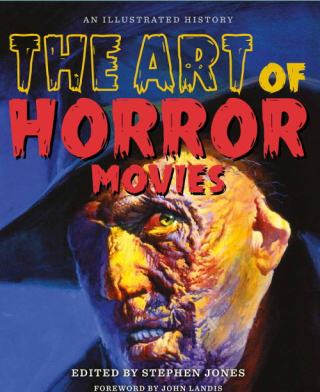
Just finished Bill Schelly's James Warren: Empire of Monsters. Let me put it this way. There are books I tend to dawdle over and books I have trouble putting down, once I start reading them, because something about them, maybe it's the style or the content or it's just the nature of the beast, so to speak, keeps my eyes glued to their pages. Schelly's book reached out and glued my eyes to its pages.
At 300-plus of those pages (though I wish there were more pictures), it flew by in a good way, a wonderful way. Schelly is not the kind of author who's better to read a Kindle edition of his book because you spend a lot of time looking up ten dollar words when a buck's worth would have sufficed--which I find very annoying (but enlightening, of course)--and his sentence structures aren't the academic jargonese, dog-eat-tail variety that takes turns scratching your head for you as you try to understand what the author is saying. Empire of Monsters leaves those complications for its subject matter: James Warren and the creative people he alternated between loving and hating and loving again, and the influential magazines they created.
James Warren is a very complicated guy, and the numerous quotes from those who worked with him (sometimes against him) to produce the monsterkid's wet dreams of Creepy, Eerie, Vampirella, Blazing Combat, Captain Company merchandise, and the icing on the cake, Famous Monsters of Filmland, are captured here in a way that presents a fascinating, perplexing, and, when all summed up, more than a snapshot's worth of the publishing versus creation versus mixed-bag personalities that came and went to nurture and sustain a growing fandom. And all this while still trying to make a buck and act like Hugh Hefner, a man whose larger than life appetites Warren wanted desperately to emulate. Hell, wouldn't we all!
This is where James Warren appears his most scrutiny-resistant. Aviation buff (complete with a yellow--his favorite color--Sopwith Camel replica in his front yard), purveyor of the excessive and quirky life (complete with Long Island party-hardy getaway and unabashed skinning dipping among his peers), and a personality that shifted between yelling not telling or nice guy to work with or not so nice guy to work with. Schelly keeps the level of narrative balanced and pretty neutral, presenting Warren's lovers and haters in equal measure through their quotes and interactions with him as he struggled to keep his publishing mini-empire running during both the gravy times and the threadbare ones, fighting for rack space against the likes of Marvel and Skywald. What you won't find here is a lot of attention paid to Forrest J Ackerman and the Warren relationship. Some juicy tidbits you will find, but this is a book about Warren and his needs and dreams.
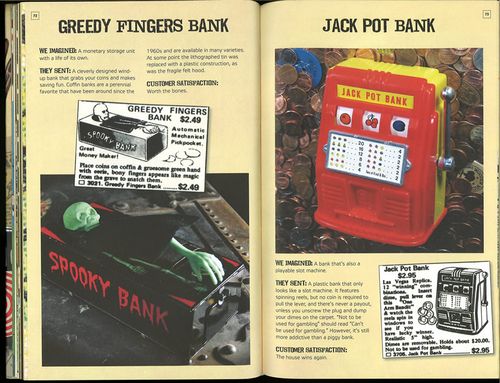
Depending on where you are coming from, whether you're a monsterkid who grew up with Warren's magazines on the racks or someone who's curiosity was piqued after reading a Creepy or Eerie archive edition, this book is for you. It's funny, but after watching Netflix's Love, Death & Robots, I couldn't help but think of these magazines. That illustrated short story format with a kicker ending was the hallmark of Warren Publishing's storytellers and illustrators. And don't get me started on Captain Company. That's one for us monsterkids to memory-drool over. You wouldn't think selling merchandise would be such a big deal, but as Schelly illuminates, it was a key player for Warren. Captain Company's merchandise profits kept underperforming magazines on the racks and paid for a lot of that wild life-style.
There's triumph and tragedy here, a lot of history and personalities too, that all came together to create the monsters we still embrace today. Victor Frankenstein had an easier time of it but Warren Publishing did it best.